
Call
This conference marks the fifty fifth anniversary of the UNESCO World Heritage Convention. Taking the Convention as its starting point, it picks up on the continually evolving definition of heritage UNESCO has offered throughout this time: artistic, natural, cultural and, more recently, through the lens of communities, tourism, technologies, medias, cultural industries and local economies. It now Includes what some define as traditional forms of art, architectural and social history, as well as emerging practices in cultural studies and digital humanities. The result is that our current reading of heritage demands interdisciplinary knowledge, approaches and collaborations: artistic, architectural, social, technological and more.
Responding to this evolving notion of heritage, this conference opens itself to critiques, research projects and examinations of questions across the sector. Whether they reflect the emergence of digital heritage or the longevity of established art history methods; whether they examine the historical establishment of museums or explore the decolonizing of collections and archives; or whether they analyse the social impacts of tourism or the financial underpinnings of the art world.
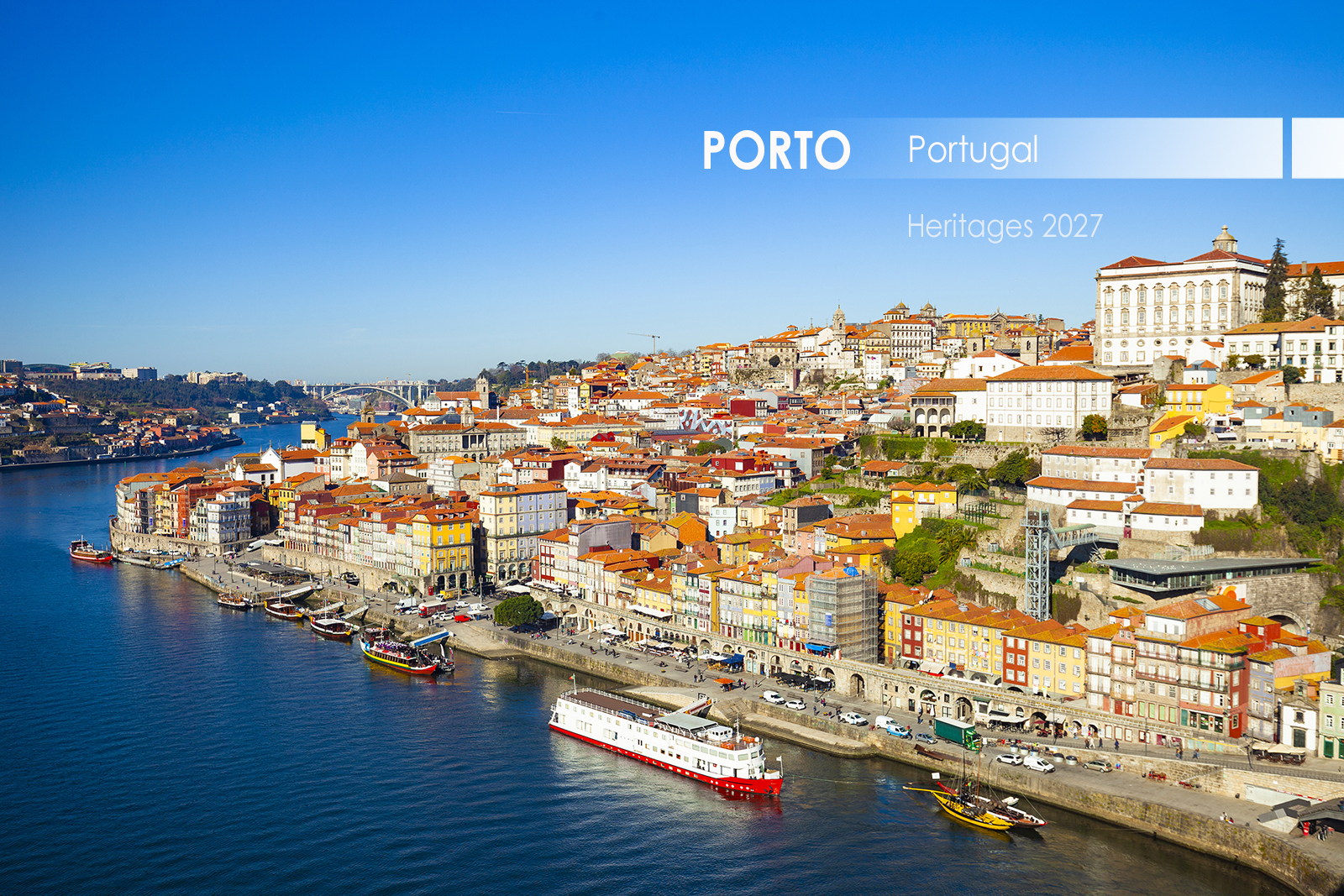
The aim of the event is to better grasp the diversity of practices, ideas and concerns running through the heritage sector today. In doing this from the city of Porto, it does so from a place that characterizes by the complexity UNESCO outlines. A costal city, and one of the oldest urban centers in Europe, it has traces of a Celtic, Phoenician and Muslim past. A world maritime centre in the 15th century, it developed unique cultural and culinary traditions, becoming Europe’s first protected wine region in the 18th century. Its core was named a World Heritage Site in 1996 and is now a National Monument of Portugal. Home to some of Portugal’s finest examples of art and architecture and digital heritage, it was European City of Culture in 2001.
Organised by AMPS and the University of Porto, in collaboration with the University of IPCA – Polytechnic Institute of Cávado e Ave, the conference has a number of strands and themes of specific interest. However, it also actively seeks presentations that complement or add to this thematic variety. Examples include but are not limited to:
Art History; Digital Art & Heritage; History of Architecture & Urbanism; Conservation & Preservation; Design, Product, and Material Culture; Illustration & Oral Narratives; Historical Archives; Museums & Decolonial Histories; Human-Centered Design histories; Tourism, Heritage Gentrification, and more.
Image by Traveler